
Overview
About This Place
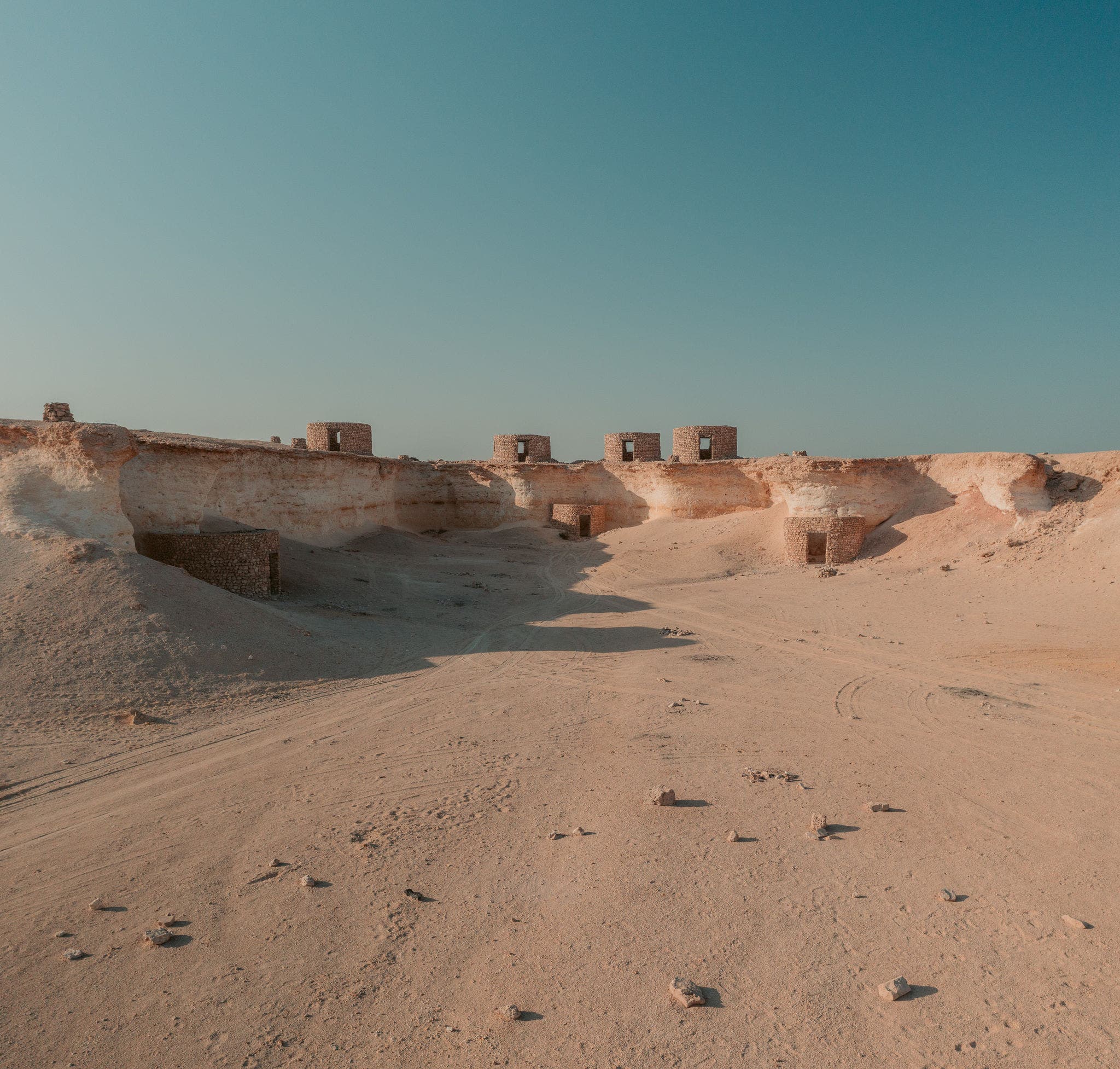
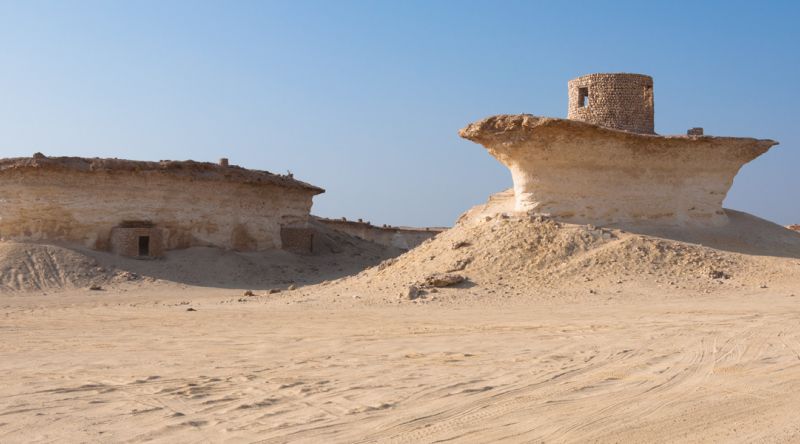
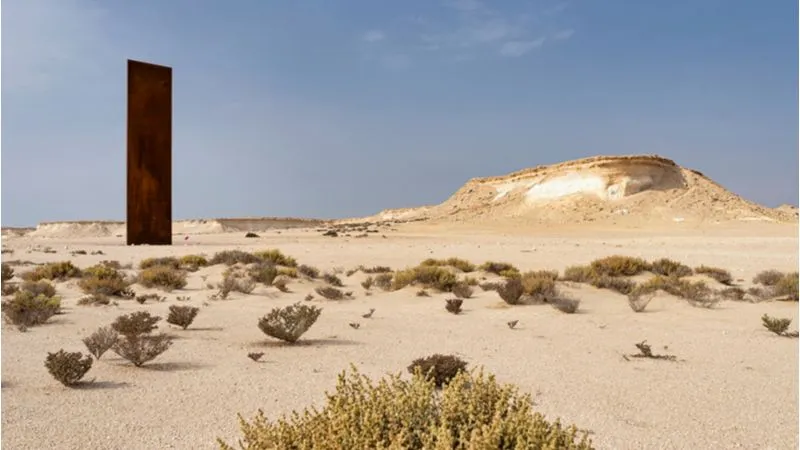
Zekreet Peninsula, also known as Brouq Peninsula, is one of the most visually striking landscapes in Qatar. Situated on the remote western coast of the country, it is defined by a wide, almost lunar desert plain punctuated by dramatic flat-topped limestone mesa formations and weathered rock plateaus that rise sharply from the sand. The geology here is ancient and layered, composed largely of pale limestone and calcareous gypsum that gives the terrain its distinctive pale, otherworldly hues. Adding to the site's mystique is Richard Serra's monumental land art installation "East-West/West-East," commissioned by Qatar Museums in 2014: four towering steel plates, each over 14 meters tall, placed in perfect alignment across 1.6 kilometers of open desert, visible from kilometers away.
History
Historical Significance
The formations at Zekreet were sculpted over millions of years when the entire region lay beneath the ancient Tethys Sea, its limestone and gypsum layers deposited by marine sediment long before the Arabian Peninsula took its current form. Historically, the peninsula was home to nomadic Bedouin tribes who used its terrain for grazing and traditional activities. In recent years it has become a protected area and a destination for eco-tourism, film production, and off-road exploration. The area gained international recognition through Serra's installation, drawing artists, architects, and travelers who come to experience the rare collision of ancient geology and contemporary art in total silence.
Conservation & Discovery
History of Zekreet
Planning Your Visit
When to Go
Best Time to Visit - hover a month
1:00 PM - 7:00 PM
Located on Qatar's western coast, approximately 80 km from Doha. A 4WD vehicle is advisable for off-road sections.
The rock formations cast their most dramatic shadows in the late afternoon light, perfect for photography.
Gallery
In Photos


Location