

Overview
About This Place
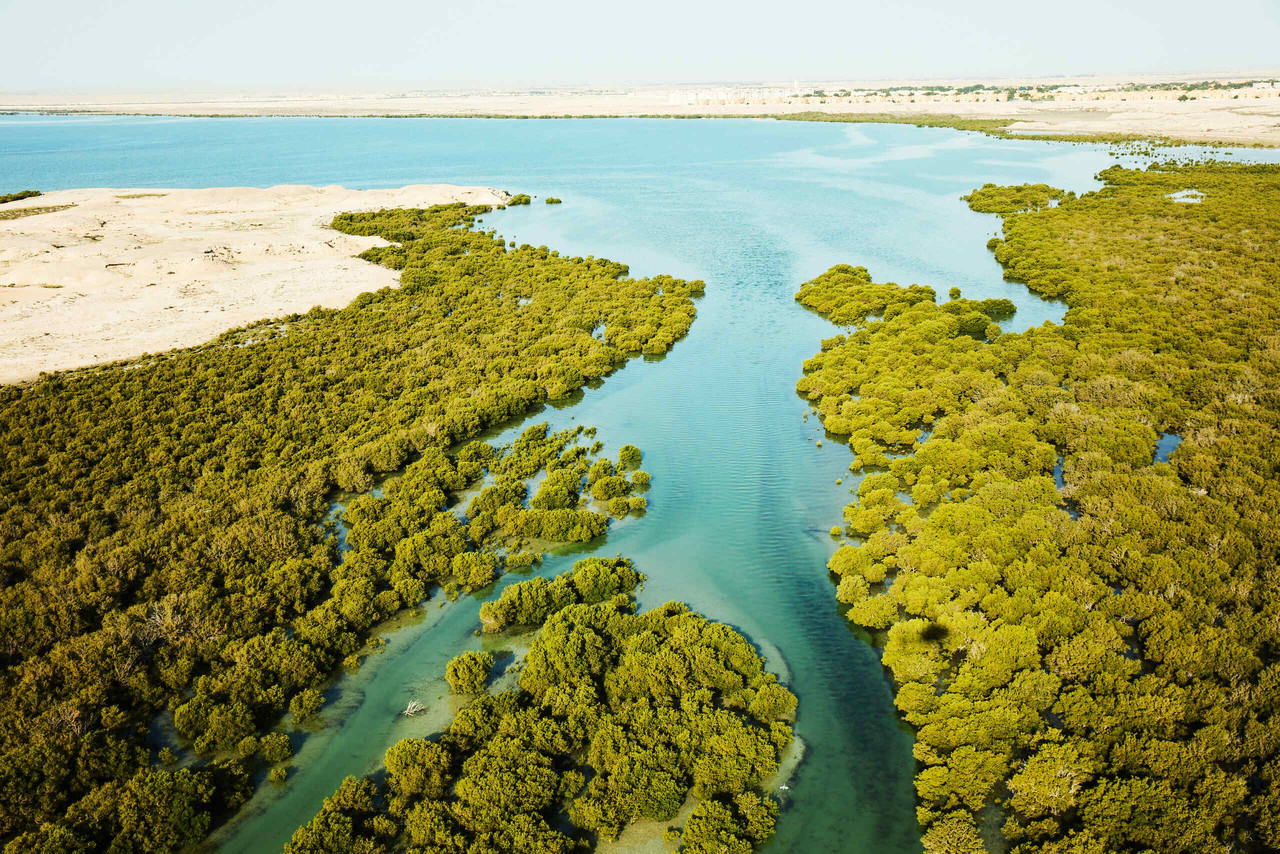
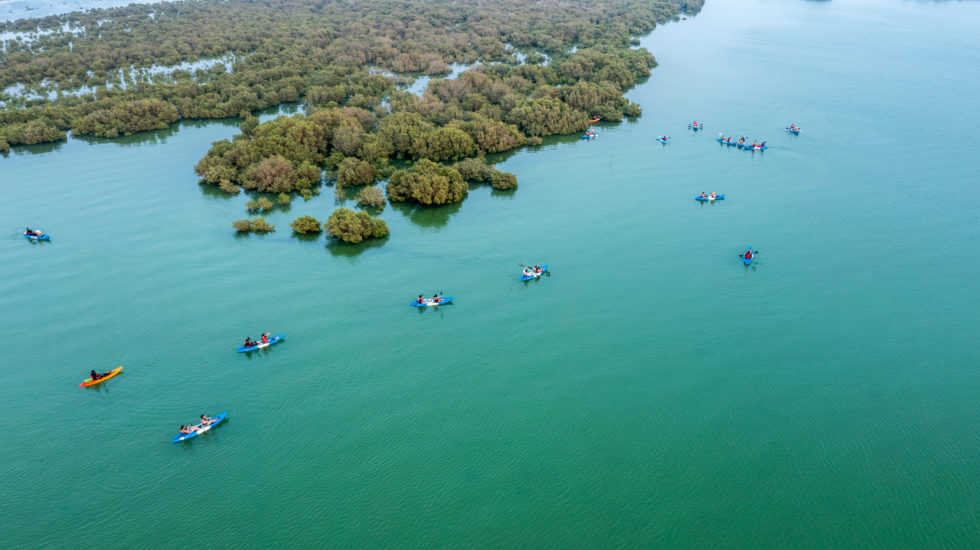
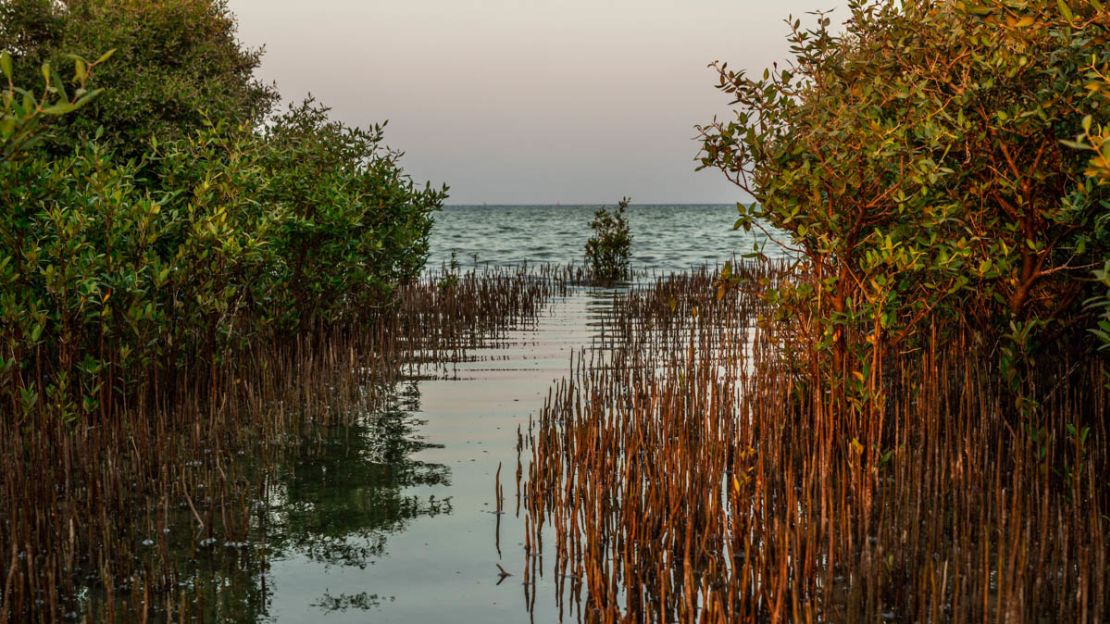
Al Thakira, also known as Al Dhakira, is among Qatar's oldest and largest mangrove forests, stretching along the northeastern coastline near Al Khor city. These ancient trees are remarkable survivors: native to briny, saltwater environments, they thrive in conditions that would kill most vegetation, withstanding extreme temperatures and filtering salt directly through their root systems. The result is a lush, dense green canopy that stands in vivid contrast to the surrounding desert, a wetland oasis at the edge of the dunes. The waterways winding through the mangroves are best explored by kayak, gliding silently through narrow channels while herons perch overhead and fish dart beneath the surface. The ecosystem also supports flamingos, cormorants, crabs, and a rich variety of marine species that use the mangrove roots as nurseries.
History
Historical Significance
Mangroves have existed along Qatar's coastline for thousands of years, forming the ecological backbone of the coastal communities that depended on fishing and pearling for their livelihoods. The Al Thakira forest is now a fully protected nature reserve, managed by the Qatari government to preserve both its biodiversity and its role as one of the Gulf's most significant carbon sinks. The reserve draws birdwatchers, nature photographers, and kayakers from across the region, particularly between October and March when migratory birds arrive in their thousands.
Conservation & Discovery
History of the Mangroves
Planning Your Visit
When to Go
Best Time to Visit - hover a month
Apr-Sep: 5:00-7:00 AM and 4:00-6:00 PM · Oct-Mar: multiple slots 6:00 AM - 5:00 PM
Kayak hire is available on-site. Sessions run in timed slots, arrive early to secure your spot.
October to March is peak season for migratory birds including flamingos, herons, and cormorants.
Gallery
In Photos

Location