
Overview
About This Place
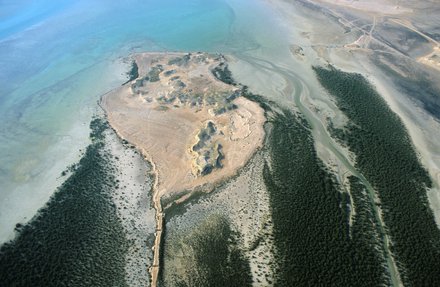
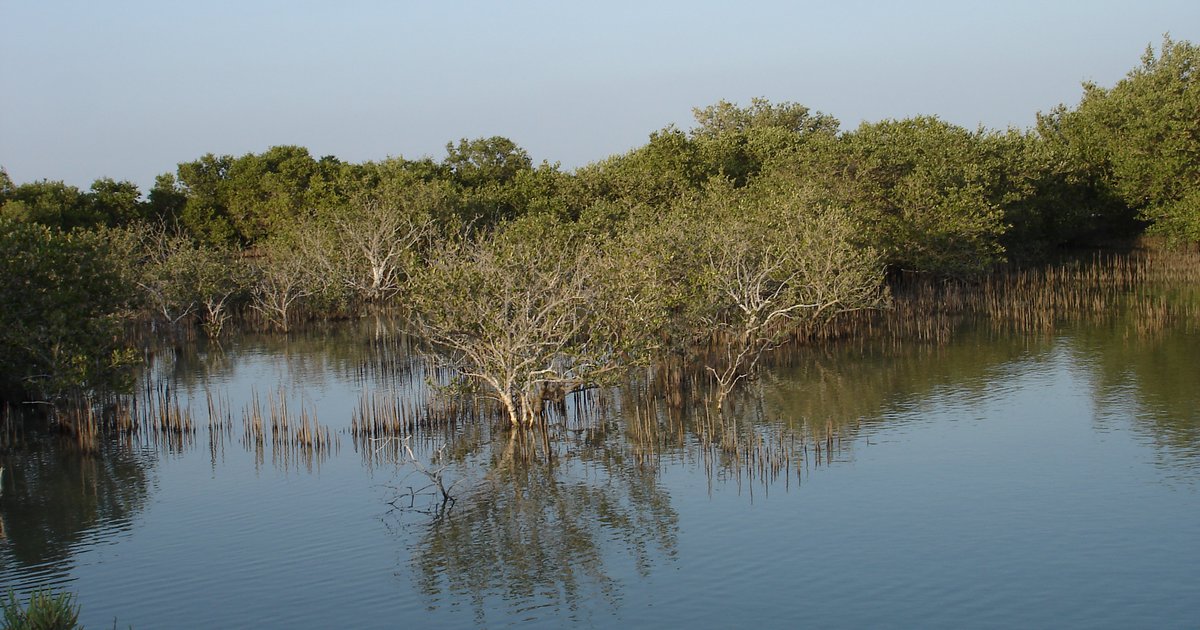
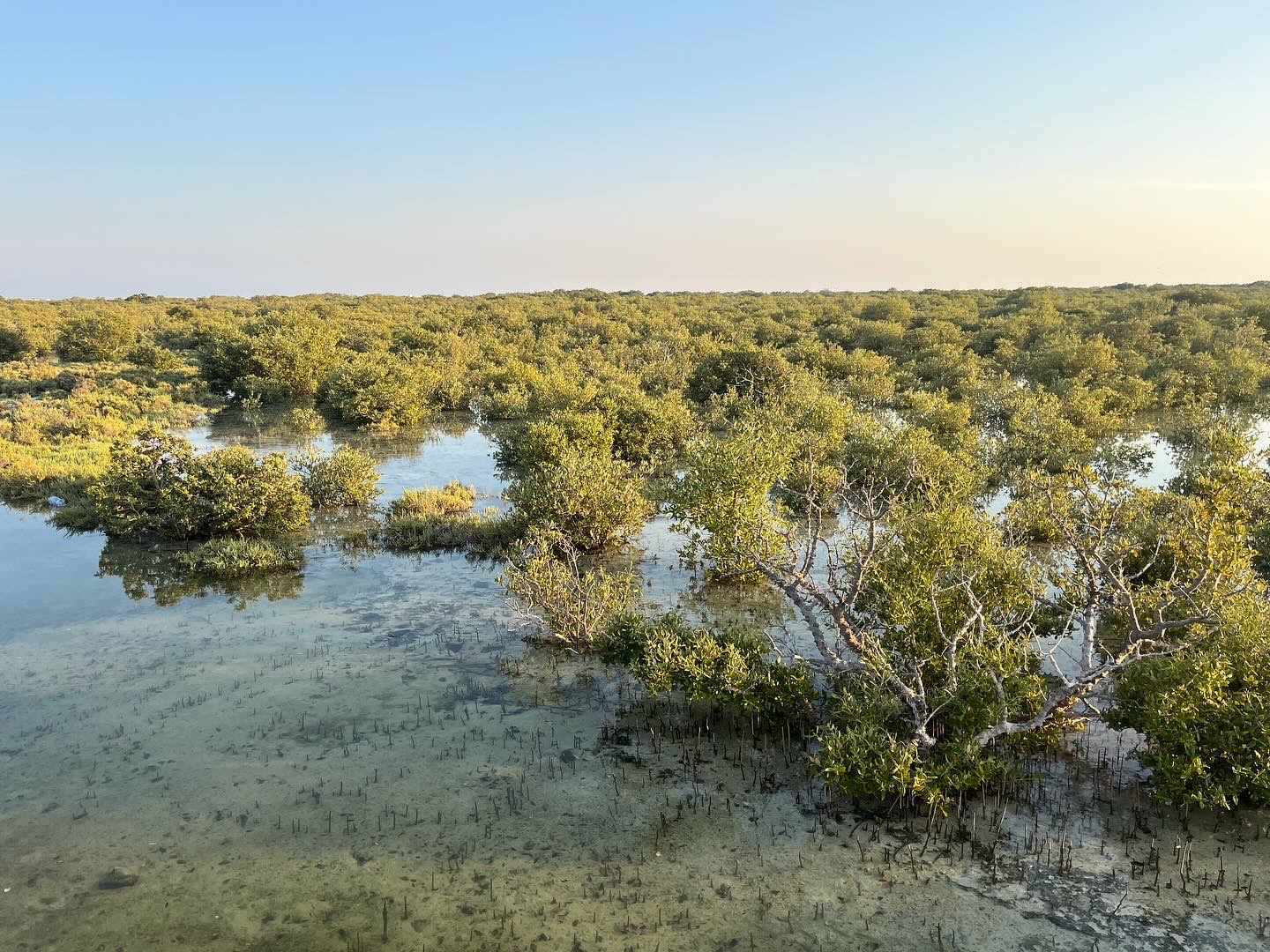
Known officially as Bin Ghannam Island, Purple Island is one of Qatar's most unique and serene natural destinations, located off the northeastern coast near Al Khor. The island is surrounded by dense mangrove forests and lush greenery that offer a genuine escape from the pace of city life. Its winding waterways are ideal for kayaking, and the island's stillness makes it a sanctuary for birdlife throughout the year. The island takes its evocative name from the murex sea snails whose purple-stained shells once covered its shores, the remnants of an ancient dye industry that made this small island known across the ancient world. Best visited between November and February, the island reveals its true beauty in the cooler months when the greenery is at its richest.
History
Historical Significance
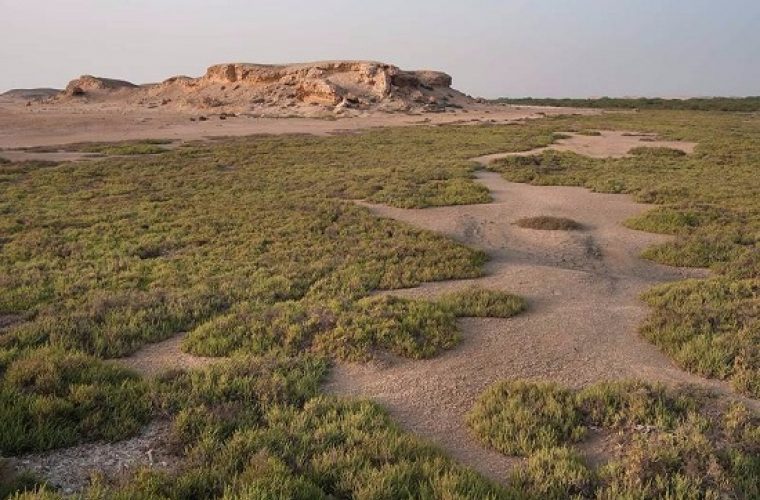
Purple Island has a history stretching back to the second millennium BC, when Kassite-era settlements established it as the main site of a thriving purple dye industry. The dye, extracted from murex sea snails found in the surrounding waters, was one of the most expensive and coveted pigments in the ancient world, traditionally associated with royalty and power across the Mediterranean and the Near East. Archaeological evidence across the island reveals the scale of this industry, including vast quantities of crushed snail shells and ancient dyeing infrastructure. Today the island is protected as both a nature and heritage reserve, its layered history quietly preserved beneath the mangroves.
Conservation & Discovery
History of Purple Island
Planning Your Visit
When to Go
Best Time to Visit - hover a month
Open 24/7, best visited November to February. Check tide times before you go.
The island is accessible on foot at low tide or by kayak year-round. Facilities are minimal, come prepared.
Always verify tide schedules before visiting, the crossing becomes dangerous at high tide.
Gallery
In Photos
Location